
Wee Waa, NSW
-30.227° S, 149.446° E
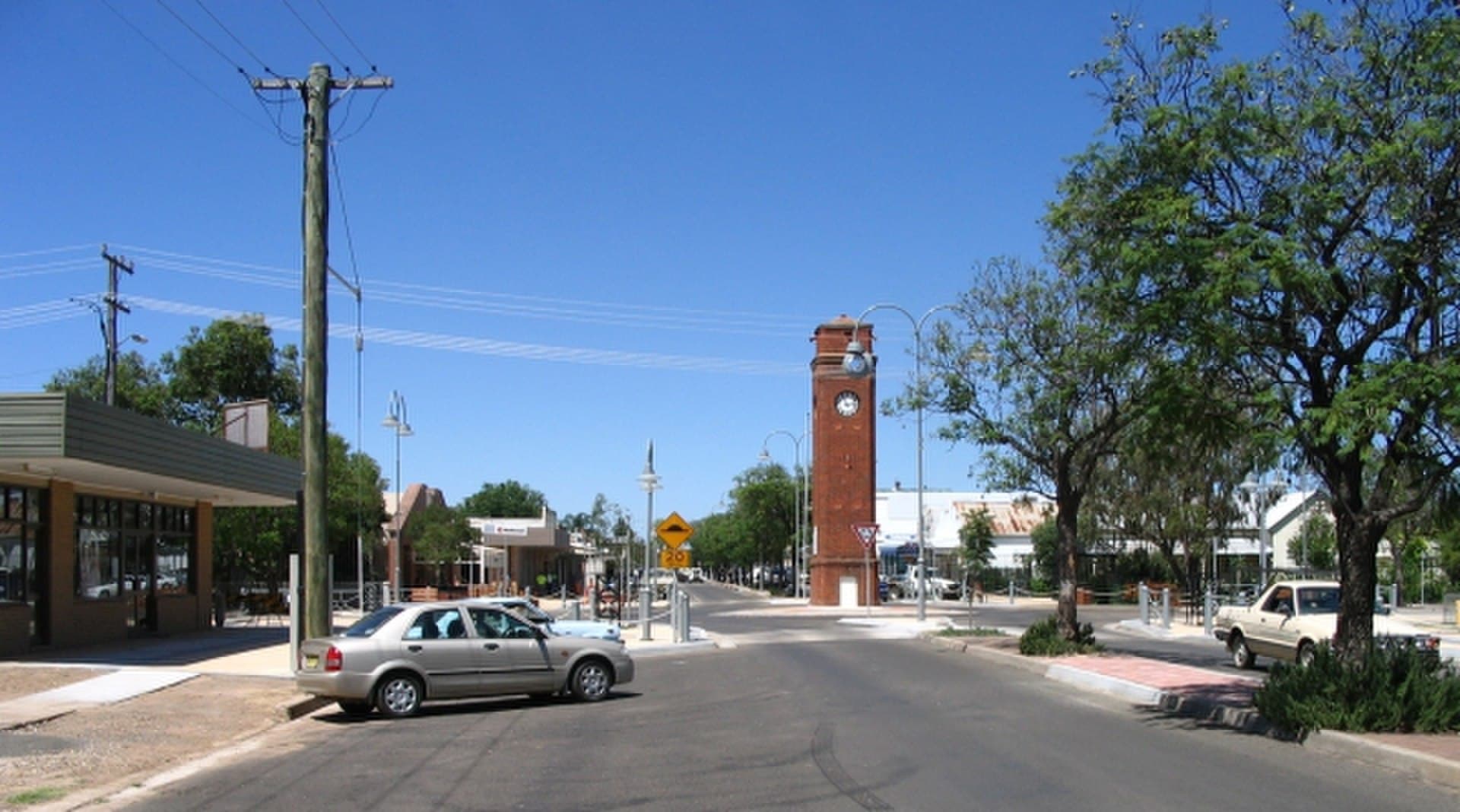
Living and working in Wee Waa
Jobs
Wee Waa's economic backbone sits in agriculture, with cotton and diversified cropping shaping many local roles. Behind the fields, a network of agribusiness, transport, and machinery services keeps farms productive and communities connected. For someone considering move to Wee Waa, farming and related trades offer steady, often seasonal, employment, while retail and healthcare add breadth to the local job mix. The town's median salary per year sits at about $45,381, reflecting a balance of full-time and part-time positions across these industries. Many households supplement wages with part-time service roles, helping to create a practical family budget. This mix translates into solid Wee Waa job opportunities for locals.
With a population just over two thousand, Wee Waa functions as a compact employment hub where local networking helps job seekers find opportunities. A small but capable healthcare and education sector supports residents, while nearby towns extend the job canvas for those willing to travel. Commuting is typically short within the town, and some roles in agriculture or agribusiness may involve occasional drives to partner sites in the region, particularly during peak harvests. The distance from Sydney keeps wage scales in line with regional conditions, while infrastructure supports reliable internet for remote and hybrid work when suitable. This context makes jobs in Wee Waa accessible to a range of workers.
Education
Education in Wee Waa is grounded in three core offerings-childcare, primary, and secondary schooling-delivered locally to support families. For families living in Wee Waa, access to early learning and essential schooling without long daily commutes makes the move to Wee Waa easier for households with children. This setup also supports local employers, who benefit from a steady stream of school-ready young people entering the workforce over time. The town's education resources align with Wee Waa's industry profile, offering pathways for students into agriculture, trades, and service sectors. With childcare, primary, and secondary options within reach, families can plan careers around schooling and work commitments.
A cohesive education framework supports the local workforce and community life by fostering practical skills and a steady supply of reliable workers. The three-tiered education system complements Wee Waa's job opportunities, encouraging students to explore agriculture, trades, and community services as viable career paths. Parents value the proximity of schooling when moving to Wee Waa, because it minimises disruption and enhances continuity for siblings at different stages. From apprenticeships to part-time roles around school hours, the network helps families balance study, employment, and leisure. Overall, living in Wee Waa supports long-term planning, with education and employment aligned to the town's size and industry. This alignment helps attract families who want to establish roots while contributing to the Wee Waa economy.
Community
Community life in Wee Waa centres on practical everyday conveniences that support family routines and social connection. Healthcare is accessible through a central hospital and a dedicated team of doctors and allied health professionals, with a local library providing a calm space for study and information. Local social venues, including several bars and eateries, offer welcoming spots for residents to unwind after work and connect with neighbours. Everyday errands are supported by a small post office and a nearby grocery outlet, helping residents feel self-contained and efficient. These services underpin the Wee Waa lifestyle, enabling people to focus more on work and family.
The town's tight-knit character is supported by informal networks, from volunteer clubs to local markets and sport groups that bind residents together. Residents benefit from proximity to nearby farming districts and services in Narrabri and Moree, which broadens social and employment connections while maintaining Wee Waa's own pace. Transport links and regular community gatherings help new families feel welcome, easing the transition for those considering move to Wee Waa. Overall, Wee Waa thrives on practical collaboration, where neighbours look out for one another and where new ideas can take root in a supportive setting.
Housing
Housing in Wee Waa sits in an affordable band by regional standards, with a median house price around $350,000 and attached dwellings offering a more accessible entry point. Many properties are suitable for families and tradies seeking a balance between space and practicality, while rental options ensure flexibility for those moving to Wee Waa. A traditional ownership path is supported by stable demand from local workers and a strong sense of community. For households comparing values, the weekly rent around $1,600 shapes budgeting and long-term planning. The market reflects a mix of established homes and opportunities for new builds, appealing to buyers seeking a regional lifestyle.
Across the market, property in Wee Waa has shown notable swings as buyers respond to affordability and the lure of a regional lifestyle. The state house sale variation sits at -73.40%, underscoring recent price dynamics while still leaving room for sensible investments. With steady rental demand from local workers and a growing agricultural sector, there are options for both home owners and landlords. Longer-term prospects look positive for families and professionals who value space, community, and a predictable regional rhythm. This environment supports thoughtful decisions for those moving to Wee Waa.
Opportunity to Thrive
Wee Waa's employment mix-anchored in farming, agribusiness, retail, and community services-offers clear pathways for career growth, whether you are starting out or expanding existing skills. There are opportunities to specialise in irrigation technology, crop management, or logistics that support regional supply chains, creating notable Wee Waa job opportunities and long-lasting employment stability. The town's salary profile, with median annual earnings around $45,381 and weekly personal income near $872, reflects a broad range of roles that can evolve as industries mature. Approaching the move to Wee Waa with a plan to develop transferable skills and engage with local networks can unlock progression within agriculture, trades, or small-business sectors.
The lifestyle supports sustainable career paths, offering a measured pace that suits long-term family life while still delivering meaningful work. As the region grows, proximity to Narrabri and Moree provides additional avenues for professional development, while community networks help everyone stay connected. Low commuting stress and the ability to combine work and family commitments are attractive when considering living in Wee Waa. For remote workers, robust internet access and a supportive local environment can make Wee Waa a practical base for focus and productivity. This mix helps attract skilled professionals seeking a balanced, purpose-driven life with genuine community support.
Live jobs
Wee Waa statistics
- State
- New South Wales
- Population
- 2,079
- Median house price
- $350,000
Working in Wee Waa — FAQs
- What kinds of jobs are available in Wee Waa?
- Wee Waa has opportunities across farming, agribusiness, retail, healthcare, and education, with farming and related trades being particularly prominent.
- What is lifestyle like in Wee Waa?
- Life here is practical and community-focused, with a calm pace, essential services, and social activities tied to the region''s farming and community life.
- Is Wee Waa family-friendly?
- Yes. The town provides childcare, primary and secondary schooling, and a supportive neighbourhood network that''s welcoming to families.
- How far is Wee Waa from Sydney?
- Wee Waa is about 566km from Sydney, which influences travel planning and access to larger markets.
- What schools are available in Wee Waa?
- There are childcare, primary, and secondary options locally, giving families convenient access to schooling without significant daily commutes.
- What amenities are available in Wee Waa?
- Residents have access to a central hospital, a library, a post office, and several bars and eateries, plus essential groceries and services.
- What are housing costs like in Wee Waa?
- The median house price sits near $350,000, with rents around $1,600 per week, making it comparatively affordable for regional NSW.
- Is the job market in Wee Waa competitive?
- As a small town, opportunities cover a broad range but individual roles can be competitive during peak periods; networking helps.
- Is Wee Waa suitable for remote workers?
- Yes, the region supports remote work with reliable connectivity and a calm environment conducive to focus.
- How do I apply for jobs through ViewJobs?
- You can search Wee Waa jobs on ViewJobs, filter by industry, and submit applications directly through the platform.